Natural Hair Porosity Test — What It Is and Why It Matters
Porosity is the one thing that explains why two people with the same curl pattern can use the same products and get completely different results. One person’s hair drinks up the leave-in and stays moisturized for days. The other person’s hair has the same product sitting on top of it, looking greasy but feeling dry by the next morning.
That’s not a product problem. It’s a porosity problem — and once you understand yours, choosing products that actually work becomes significantly less guesswork.
What Is Hair Porosity?
Porosity refers to how easily your hair absorbs and holds moisture. It’s determined by the condition of the hair’s outer layer — the cuticle — which is made up of overlapping scales, like roof shingles.
- Low porosity: The cuticle scales lie flat and overlap tightly. Water and products have a hard time getting in — they sit on the surface instead of absorbing. Once moisture does get in, though, low porosity hair holds it well.
- High porosity: The cuticle scales are raised or have gaps — either naturally or from damage caused by heat, color, or chemical processing. Products absorb immediately, but moisture escapes just as fast.
- Medium porosity: The cuticle allows a balanced amount of moisture in and retains it reasonably well. This is considered the ideal — most products work without much adjustment.
Natural hair can be any porosity. Curl type and porosity are separate things — you can have 4C hair with low porosity, or 3A hair with high porosity. Genetics determines your baseline porosity, and damage from heat and chemicals raises it over time.
How to Test Natural Hair Porosity at Home
Test 1 — The Float Test (Most Common)
Take a clean strand of natural hair — one that hasn’t had product applied to it recently. Drop it into a glass of room-temperature water and watch what happens over the next 2-4 minutes.
- Floats on top: Low porosity — the closed cuticle repels water
- Sinks slowly to the middle: Medium porosity — balanced absorption
- Sinks quickly to the bottom: High porosity — absorbs water rapidly
One caveat: product buildup on the hair can affect results. Use a strand from freshly clarified hair for the most accurate reading.
Test 2 — The Slip and Slide Test
Take a strand of hair between your fingers and slide your fingers from tip toward the root.
- Feels smooth and you don’t feel much: Low porosity — cuticles are flat
- Feels slightly rough or bumpy: High porosity — cuticles are raised or damaged
This test works best on clean, dry hair without product in it.
Test 3 — The Spray Test
Mist a small section of clean, dry natural hair with water and watch what happens.
- Water beads on the surface and takes a long time to absorb: Low porosity
- Water absorbs immediately: High porosity
- Water absorbs within a few seconds: Medium porosity
This is the most practical test because it directly shows how your hair responds to water — which is exactly what you need to know when choosing products.
Signs of Low Porosity Natural Hair
- Products sit on top of your hair instead of absorbing — you can see them on the surface
- Water beads on your hair when you wet it
- Your hair takes a long time to get fully wet in the shower
- Products build up quickly even when you use small amounts
- Deep conditioner doesn’t seem to make much difference unless you use heat
- Your hair dries slowly after washing
Signs of High Porosity Natural Hair
- Products absorb immediately — sometimes before you can distribute them
- Hair dries very quickly after washing
- Hair feels dry within hours of moisturizing
- Hair is frizzy even in non-humid conditions
- Hair tangles and breaks easily
- Hair has been colored, bleached, or chemically processed — these raise porosity
Best Products for Low Porosity Natural Hair
Low porosity hair’s main challenge is getting moisture in — the tightly closed cuticle resists absorption. The solution is products and techniques that help open the cuticle enough to let moisture enter.
What works for low porosity natural hair:
- Lightweight, water-based products: Heavy butters and thick creams coat the already-closed cuticle and make absorption even harder. Use lightweight leave-ins like Kinky Curly Knot Today instead of thick cream-based ones.
- Heat during deep conditioning: Heat opens the cuticle slightly and lets conditioner penetrate. Always use a hooded dryer or heat cap when deep conditioning low porosity natural hair — without heat, much of the deep conditioner just sits on the surface. See our deep conditioner guide for product recommendations.
- Humectants: Glycerin, aloe vera, and honey draw moisture from the air into the hair. These work well in leave-ins and deep conditioners for low porosity hair.
- Lightweight oils: Jojoba, argan, and grapeseed oil absorb better than heavy oils on low porosity hair. Use them as the sealant step in your LOC routine.
- Regular clarifying: Low porosity hair is prone to product buildup because products don’t absorb — they accumulate on the surface. Clarify monthly to remove buildup and reset the hair’s ability to absorb moisture. Our sulfate-free shampoo guide includes clarifying options.
What to avoid for low porosity natural hair:
- Heavy butters and thick creams applied to the length — they coat without absorbing
- Protein-heavy products used frequently — low porosity hair is often protein-sensitive
- Skipping heat during deep conditioning — without it, the treatment largely sits on the surface
Best Products for High Porosity Natural Hair
High porosity hair’s challenge is the opposite: moisture gets in easily but escapes just as fast. The solution is products and techniques that seal the cuticle and slow down moisture loss.
What works for high porosity natural hair:
- Heavy sealants: Shea butter, Jamaican black castor oil, and thick hair creams create a barrier that slows moisture evaporation. Apply them as the last step in your routine over leave-in and oil. TGIN Butter Cream works well for high porosity 4A-4C hair.
- Protein treatments: High porosity hair — especially from damage — benefits from regular protein treatments to fill the gaps in the cuticle. Once a month is reasonable for most high porosity natural hair. See our protein treatment guide for recommendations.
- Cool water rinses: Rinsing with cool water closes the cuticle after conditioning, sealing in moisture. This makes a real difference for high porosity hair — always rinse conditioner with the coolest water you can tolerate.
- The LOC method: Liquid, Oil, Cream in that order — each layer adds or seals moisture progressively. High porosity hair benefits from all three steps, not skipping any. Our full moisturizing guide covers the LOC method in detail.
- Apple cider vinegar rinse: ACV is slightly acidic — rinsing with a diluted ACV solution (1 tablespoon per cup of water) after conditioning helps flatten the cuticle temporarily and adds shine. Use it occasionally, not every wash day.
What to avoid for high porosity natural hair:
- Lightweight products as your only sealant — they evaporate too quickly
- Skipping the cream or butter step in your routine
- Hot water rinses — hot water opens the cuticle further and increases moisture loss
Can You Change Your Hair’s Porosity?
Your natural, genetic porosity is mostly fixed — you can’t permanently change it. What you can do is manage it effectively and avoid practices that raise it further.
High porosity caused by damage — heat, bleach, chemical processing — can partially improve as damaged hair is trimmed away and replaced by new growth. The new growth comes in at your natural porosity. Protective styling and reducing heat use during the growing-out period helps the healthier hair come in undamaged.
Low porosity hair stays low porosity — but the right products and techniques make it much more manageable.
Porosity and Natural Hair Routine — How It Fits Together
Knowing your porosity changes specific decisions in your routine:
| Routine Step | Low Porosity | High Porosity |
|---|---|---|
| Shampoo | Clarify monthly to remove buildup | Gentle cleansing, avoid stripping |
| Deep Condition | Always use heat — required for penetration | Protein + moisture balance, cool rinse |
| Leave-In | Lightweight water-based formulas | Richer leave-ins with humectants |
| Oil | Lightweight — jojoba, argan, grapeseed | Heavier — castor oil, olive oil |
| Cream/Butter | Light — use sparingly | Heavy — shea butter, thick creams |
| Protein | Use carefully — often protein-sensitive | Monthly protein treatment helpful |
Frequently Asked Questions
How accurate is the float test for hair porosity?
The float test gives a reasonable indication but isn’t perfectly precise. Product buildup on the strand affects the result — a strand coated in product may float even if your hair is high porosity. Use freshly clarified hair for the most reliable result, and combine it with the spray test for confirmation. The spray test — watching how quickly water absorbs into your hair — is arguably the most practical because it shows you exactly what happens in real product use.
Can natural hair be both low and high porosity?
Yes — different sections of your hair can have different porosity, especially if some areas have been heat-damaged or colored while others haven’t. The ends of natural hair are generally higher porosity than the roots because they’re older and have experienced more wear. This is why ends need more sealing product than roots — they lose moisture faster.
Is low porosity or high porosity better for natural hair?
Neither is better — they just have different challenges. Low porosity hair has trouble absorbing moisture but holds it well once it gets in. High porosity hair absorbs everything easily but loses it just as fast. Medium porosity is considered ideal because it balances both. Most natural hair care challenges can be managed effectively regardless of porosity with the right products and techniques.
Does porosity affect how often I should wash natural hair?
Somewhat. Low porosity hair builds up product faster because products don’t fully absorb — which means clarifying more frequently (monthly) and sometimes washing weekly to prevent buildup from blocking moisture. High porosity hair doesn’t have a buildup problem but does benefit from consistent weekly washing followed by deep conditioning to replenish moisture that was lost during the week.
Why does my natural hair feel dry even though I moisturize every day?
If you have low porosity hair, products may not be absorbing at all — they’re sitting on the surface and then evaporating without entering the hair shaft. The fix isn’t more product, it’s heat during deep conditioning and lighter, water-based products that can penetrate the closed cuticle. If you have high porosity hair, moisture is getting in but escaping almost immediately — the fix is heavier sealants and the full LOC method every wash day. Our moisturizing guide covers both scenarios in detail.
Final Thoughts
Porosity is one of the most useful things to know about your natural hair — more useful than curl type for choosing products. A few minutes doing the float test or spray test tells you something that explains why certain products work and others don’t, and that knowledge saves you money and frustration in the long run.
Test your porosity, match your products and techniques to what your hair actually needs, and give any adjusted routine six weeks to show results. Natural hair responds slowly — but when you’re working with your hair’s porosity instead of against it, the difference is real.
More from PickHonestly on natural hair care:
- Natural Hair Care Routine for Beginners
- How to Moisturize Natural Hair — Complete Guide
- Best Leave-In Conditioners for Natural Hair
- Best Deep Conditioners for Natural Hair
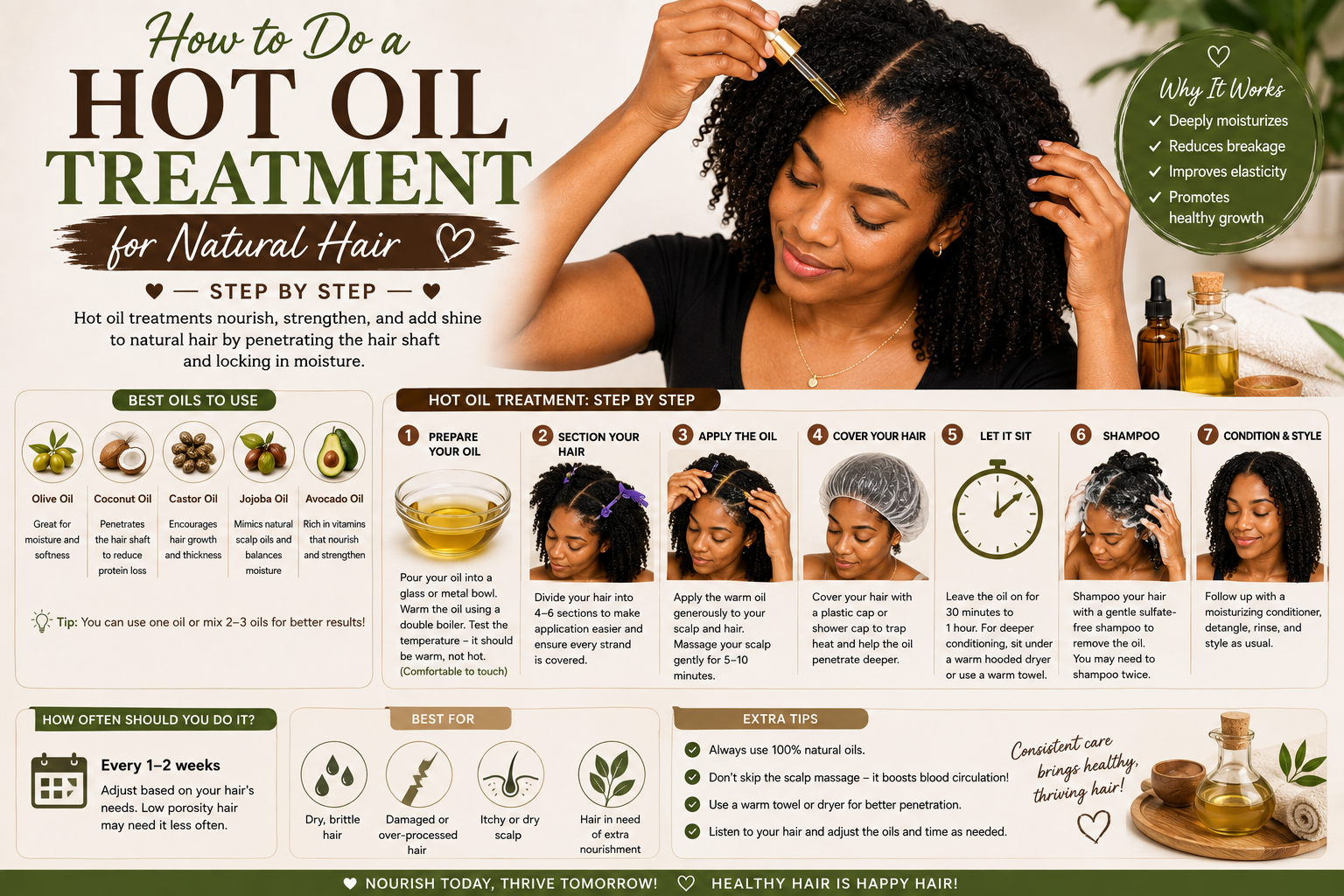
- Best Hair Oils for Natural Hair
- Best Protein Treatments for Natural Hair
Prices accurate as of publication. Verify current pricing before purchasing.