
TGIN Honey Miracle Hair Mask vs Cantu Deep Treatment Masque: Which Is Better for 4C Hair?
 Maya Thompson
📅 October 3, 2026
⏱ 15 min read
If you have spent any time in the natural-hair corner of the internet, you have seen this debate: TGIN Honey Miracle Hair Mask vs Cantu Deep Treatment Masque — which one is actually better for 4C hair? Both come in a 12-ounce jar, both promise deep moisture for dry, coily hair, and both have loyal fans who will argue their case in the comments. But here is what almost nobody tells you: these two masks are far more different under the hood than their marketing suggests — and most head-to-head comparisons skip the ingredient details that matter most.
So we did the honest work: we compared the current ingredient listings for both masks, checked what reviewers with 4C hair consistently report, worked out the real price per ounce (not just the sticker price), and documented the complaints people actually have about each one. No sponsored opinions, no affiliate links — just the facts, so you can buy the right jar the first time.
Quick Verdict: TGIN vs Cantu at a Glance
Short on time? Here is the honest summary.
Choose TGIN Honey Miracle Hair Mask if: your priority is slip and easy detangling, your hair is dry, brittle, or damaged, and you don’t mind paying roughly double per ounce. Reviewers with 4C hair consistently say it melts tangles and leaves hair soft — but read the label first, because the current formula contains protein and silicones.
Choose Cantu Deep Treatment Masque if: you want the budget option, you prefer a silicone-free formula, or your hair likes heavier, oil-rich coatings. At roughly $0.62 per ounce, it is one of the cheapest deep conditioners on the shelf — but many users report a “coated” feeling and strong fragrance, and it can build up with long-term use.
The biggest surprise from our research: both masks contain protein, and TGIN contains silicones while Cantu does not. If you were choosing based on “protein-free moisture” — the most common reason people compare these two — you need to read the next section before you buy.
TGIN Honey Miracle Hair Mask vs Cantu: Side-by-Side Comparison Table
| Feature | TGIN Honey Miracle Hair Mask | Cantu Deep Treatment Masque |
|---|---|---|
| Jar size | 12 oz (340 g) | 12 oz (340 g) |
| Typical price range | ~$15–17 | ~$6.50–8 |
| Price per ounce (approx.) | ~$1.25–1.42 | ~$0.62 |
| Contains protein? | Yes — hydrolyzed wheat protein | Yes — hydrolyzed silk + silk amino acids (mild) |
| Contains silicones? | Yes (per current retailer listings) | No — silicone-free |
| Sulfates / parabens | No | No |
| Hero ingredients | Raw honey, olive oil, jojoba oil, aloe vera | Shea butter, coconut oil, mango butter, argan oil, neem oil |
| Texture | Creamy, rich, buttery | Thick, heavy, buttery-oily |
| Slip for detangling | Excellent — its most praised trait | Good initial slip, rinses out less silky |
| Fragrance | Sweet, honey-like; some find it strong | Strong sweet-nutty; a common complaint |
| Leave-on time | 10–15 min with heat, or 35–60 min without | 30 min (15 with heat); can be left on for extremely dry hair |
| Best for | Dry, brittle, damaged/high-porosity hair; detangling | Budget routines; heavy-oil lovers; silicone-free seekers |
Prices fluctuate between retailers; treat these as ranges, not fixed prices.
The Ingredient Truth No Comparison Tells You
Most comparisons of the TGIN Honey Miracle Hair Mask vs Cantu Deep Treatment Masque treat both as simple “moisture masks.” The ingredient lists tell a more interesting story — and two facts stand out that we have never seen another comparison mention.
Fact 1: Both Masks Contain Protein
If your hair is protein-sensitive — or you are buying a deep conditioner specifically to avoid protein — this matters. The current TGIN formula lists hydrolyzed wheat protein among its ingredients, and several Target reviewers (as of late 2025) have complained about a formula change that added it, saying the mask “doesn’t work like it used to.” Cantu, meanwhile, contains hydrolyzed silk and silk amino acids — a gentler, smaller-dose protein, but protein nonetheless.
This doesn’t make either product bad. Protein supports hair strength, and many 4C heads need both moisture and protein in their routine — see our guide to the best deep conditioners for natural hair for how we think about that balance. But if you are deep conditioning specifically to avoid protein (for example, right after a protein treatment), neither of these is the pure-moisture option you might have assumed.
Fact 2: TGIN Contains Silicones — Cantu Does Not
This is the mirror-image surprise. Current retailer listings for the TGIN Honey Miracle Hair Mask show silicones (cyclopentasiloxane and dimethicone in the US listing; dimethiconol and caprylyl methicone in the EU listing — listings differ, so check your own jar). Cantu, by contrast, is fully silicone-free: the brand’s formula contains no silicones, parabens, sulfates, mineral oil, or phthalates, and retailer listings are consistent on that point.
Why does this matter? Silicones are excellent at creating slip and a silky feel — which partly explains why TGIN gets such rave reviews for detangling. But silicones can also build up on some hair types and may require a clarifying shampoo to remove fully. Cantu’s silicone-free formula appeals to strict curly-girl-method followers and anyone who clarifies infrequently. Neither approach is inherently better; it depends on your hair and your wash-day habits.
The Hero Ingredients, Honestly
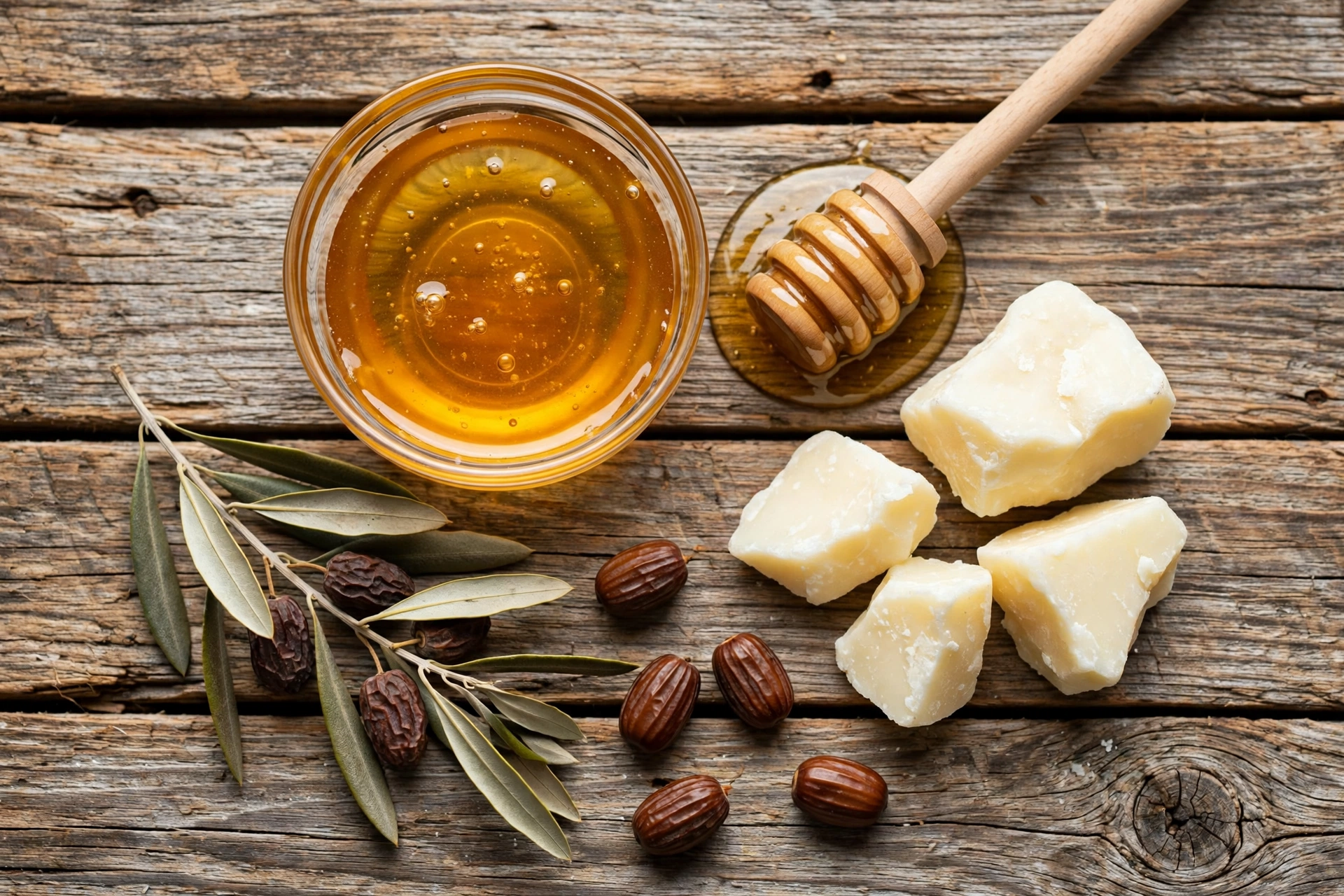
TGIN’s headliners are raw honey, olive oil, jojoba oil, and aloe vera, carried in a base of water, glycerin, and fatty alcohols. Honey is the honest star here: Healthline notes honey’s moisturizing and conditioning benefits for hair, and its humectant quality is real — honey draws moisture toward the hair shaft. Olive oil and jojoba add the emollient richness reviewers feel as “buttery” slip.
Cantu’s formula is an oil buffet: shea butter, canola oil, coconut oil, avocado oil, sweet almond oil, grapeseed oil, jojoba oil, olive oil, mango seed butter, argan oil, neem seed oil, carrot seed oil, and macadamia seed oil, plus aloe vera and beeswax. That density of oils is exactly why some reviewers love its richness and others report a coated, “sitting on top of my hair” feeling. On the plus side for the science-minded: a published study found that coconut oil reduces protein loss in hair (Rele & Mohile, 2003), so Cantu’s coconut-oil content is at least working in a direction the research supports.
Price Per Ounce: The Real Cost
The sticker-price gap looks big: roughly $15–17 for TGIN versus roughly $7.49 for Cantu, both in 12-ounce jars. But because both jars hold the same amount, the math is clean.
TGIN Honey Miracle Hair Mask: ~$1.25–1.42 per ounce. A generous 4C application (about 3 oz for thick, dense hair) costs roughly $3.75–4.25 per wash day.
Cantu Deep Treatment Masque: ~$0.62 per ounce. The same generous application costs roughly $1.85 per wash day.
So TGIN costs about twice as much per use. Is it worth it? For reviewers who deep condition weekly, that difference adds up to roughly $100+ per year — real money. Our honest take: TGIN is worth the premium if detangling slip is your main pain point and you love the results; it is not worth it if your hair responds fine to Cantu or you are on a tight budget. And remember TGIN also comes in a 1.75-oz trial packet (~$3.99 at Ulta) — try it cheap before committing to the full jar.
Which Should You Buy? A Decision Guide
If You Have Low-Porosity 4C Hair
Low-porosity hair resists absorbing product, and heavy oils can sit on top rather than penetrate. Neither mask is a magic fix — take our porosity test if you aren’t sure where you land. For low porosity, TGIN generally edges ahead: its lighter-feeling, slip-rich texture rinses cleaner than Cantu’s heavy oil load, and honey’s humectant action works without weight. Use heat (a plastic cap under a dryer or a steamer) with either product — heat is the non-negotiable step that helps low-porosity cuticles open and actually receive the mask.
If You Have High-Porosity, Dry, or Brittle Hair
High-porosity hair drinks product and loses moisture fast — this is where both masks can shine, and where the protein content of both actually helps. TGIN’s combination of honey, protein, and silicones gives the smooth, sealed feeling damaged hair craves. Cantu’s heavy oil blend gives the weight and coating that very dry hair often needs, especially overnight or under heat. If your hair is extremely dry, the price argument for Cantu gets stronger: you can afford to be generous with every application.
If You’re on a Budget
Cantu wins on price without contest — half the cost per ounce, and available everywhere from Walmart to Amazon. TGIN’s trial packet is the smart middle ground: one wash day’s worth for about four dollars, enough to know whether your hair loves it before you spend jar money.
If You Follow the Curly Girl Method Strictly
Cantu is the safer pick: silicone-free, and its label claims are consistent across retailers. TGIN’s current silicone content disqualifies it for strict CGM followers — though the method’s own community is divided on whether water-soluble-ish silicones in rinse-out products are truly a problem. Know your own rules.
How to Use Each Mask (The Right Way)
Usage instructions are where a lot of comparisons leave you guessing. Here are the actual directions, from the brands and from what experienced users report.
How to Use the TGIN Honey Miracle Hair Mask
Step 1: Start with clean, shampooed hair. (TGIN suggests using its own shampoo first; any sulfate-free shampoo works — see our 4C wash-day routine for the full order of operations.)
Step 2: Apply a generous amount from root to tip, working in sections.
Step 3: Detangle with a wide-tooth comb or your fingers while the mask is in — this is where TGIN’s slip does its best work.
Step 4: Cover with a plastic cap. Leave for 10–15 minutes under a hooded dryer, or 35 minutes to 1 hour without heat.
Step 5: Rinse with warm water, then finish with a cool rinse to help seal the cuticle.
How to Use the Cantu Deep Treatment Masque
Step 1: Start with clean, damp hair, sectioned.
Step 2: Coat each section generously — the thick texture needs deliberate distribution; don’t just glob it on top.
Step 3: Leave for 30 minutes. For extremely dry or damaged hair: add a plastic cap plus heat for 15 minutes, or leave it on overnight.
Step 4: Rinse with cool water.
Step 5 (optional): The brand states the masque can double as a leave-in for extremely dry hair — a small amount on the ends after rinsing. We’d suggest testing this on a wash day when you have nowhere to be, since buildup-prone hair can feel heavy.
The Honest Complaints: What Reviewers Actually Say
Cantu Complaints (Recurring Themes)
The number-one complaint is a coated, “not really conditioned” feeling — reviewers say hair feels covered rather than moisturized, and long-term users report buildup that dulls the hair. The second is the fragrance: Cantu’s strong sweet-nutty scent is love-it-or-hate-it, and sensitive noses should take note. Third, the texture is hard to distribute through dense 4C hair without sectioning carefully. A minority of threads (mostly older, and mostly about Cantu’s leave-in, not this masque) claim hair damage — there is no verified reformulation of the Deep Treatment Masque itself, and the product is not discontinued.
TGIN Complaints (Recurring Themes)
The loudest recent complaint is the formula change: multiple Target reviewers (late 2025) report the mask doesn’t perform like it used to, pointing at the added hydrolyzed wheat protein. If your hair is protein-sensitive and loved the old formula, this is a real risk — read the current label. Next is price: roughly double Cantu’s cost per ounce is hard to justify for some budgets. And the scent divides people too — honey-sweet, and strong.
The American Academy of Dermatology’s guidance on caring for Black hair is worth keeping in mind through all of this: gentle handling, regular conditioning, and protective styling matter more than any single product choice. A $17 mask used roughly will lose to a $7 mask used well.
Can You Sleep in a Deep Conditioner Overnight?
Since both masks’ instructions touch on extended wear, let’s answer the overnight question directly. Cantu’s brand directions allow leaving the masque on for extremely dry hair, and many users do sleep in it under a cap. Healthline’s overview of overnight hair masks notes this can work with the right product — but also warns that some formulas can over-moisturize or irritate the scalp with prolonged contact. Our honest position: overnight deep conditioning is fine occasionally for very dry 4C hair with a product your scalp already tolerates — it is not a weekly habit we’d recommend, and TGIN’s protein + silicone content makes it a worse overnight candidate than Cantu. If you DIY instead, our DIY deep conditioner recipes include options with simpler ingredient lists for long wear.
Frequently Asked Questions
Which is better for 4C hair: TGIN Honey Miracle Hair Mask or Cantu Deep Treatment Masque?
Neither wins outright — it depends on your hair and budget. TGIN wins for slip, detangling, and a cleaner rinse; Cantu wins for price and silicone-free simplicity. If your main struggle is tangles and dryness and you can afford it, most 4C reviewers prefer TGIN. If you want the cheapest effective deep conditioner and don’t mind heavier texture, Cantu gets the job done.
Is the TGIN Honey Miracle Hair Mask good for low-porosity hair?
Generally yes — it’s one of the better commercial masks for low porosity because the honey-based, slip-rich formula rinses cleaner than heavy oil butters. Use heat (plastic cap under a dryer or a steamer) to help your cuticles open; without heat, even the best mask mostly sits on low-porosity hair.
Does the TGIN Honey Miracle Hair Mask contain protein?
Yes — the current formula contains hydrolyzed wheat protein. This is the source of the recent formula-change complaints: reviewers who loved the older version report it doesn’t perform the same. If you are protein-sensitive, read the label on your jar and patch-test.
Does the Cantu Deep Treatment Masque have protein or silicones?
It has mild protein (hydrolyzed silk and silk amino acids) but no silicones. It’s also free of parabens, sulfates, mineral oil, and phthalates per the brand’s claims. So it’s not a “pure moisture” mask either — but it is the silicone-free choice of the two.
Did TGIN change the Honey Miracle Hair Mask formula?
Multiple reviewers (Target, late 2025) say yes, and point to the addition of wheat protein plus silicones in current listings — a shift from the brand’s older “all natural” positioning. Ingredient listings do differ between retailers (Ulta’s packet vs. EU listings), so the exact formula may vary by region and batch. Our advice: check the jar you actually buy, not a screenshot from 2023.
Has the Cantu Deep Treatment Masque been discontinued or reformulated?
Neither. The product is not discontinued (retailers confirm it is still in production), and we found no verified evidence of a reformulation of the Deep Treatment Masque itself. Older forum complaints about a formula change referred to Cantu’s leave-in conditioner, a different product. Don’t confuse the two.
Can you use the Cantu Deep Treatment Masque as a leave-in conditioner?
The brand says yes — for extremely dry hair, a small amount can be left in after rinsing. In practice, we’d call this a cautious yes: test it on a low-stakes day, because the heavy oil load can cause buildup or a greasy feel on hair that doesn’t need it.
How long should you leave each mask on?
TGIN: 10–15 minutes under a plastic cap with heat, or 35–60 minutes without heat. Cantu: 30 minutes with a cool rinse; add a heat cap (15 minutes) or go overnight for extremely dry hair. With both, heat shortens the required time — warmth opens the cuticle and improves absorption.
Which is better for high-porosity, dry, brittle 4C hair?
High-porosity hair usually benefits from both masks’ protein content and rich emollients. TGIN’s honey-plus-protein-plus-silicone combination gives the sealed, smooth feeling damaged high-porosity hair craves. Cantu’s heavier oils give the weight very dry hair needs, at half the price. If budget allows TGIN, it’s the pick here; if not, Cantu is a genuinely solid runner-up.
Is the TGIN Honey Miracle Hair Mask worth the higher price?
It costs roughly twice as much per ounce as Cantu (~$1.25–1.42 vs ~$0.62). It’s worth it if detangling slip is your biggest pain point and your hair visibly responds better to it. It’s not worth it if your hair does fine with Cantu — the results gap doesn’t justify the price gap for everyone. The 1.75-oz trial packet (~$3.99 at Ulta) lets you decide for the cost of a coffee.
Wondering about the other famous honey mask, Shea Moisture’s Manuka Honey Masque? It wasn’t part of this head-to-head, but our full deep conditioner roundup compares the wider field.
The Bottom Line
The TGIN Honey Miracle Hair Mask vs Cantu Deep Treatment Masque debate has a more honest answer than most comparisons give: they’re different products for different priorities. TGIN is the slip-and-detangle specialist with a price tag and a recently changed formula you should know about. Cantu is the budget workhorse — silicone-free, oil-rich, and half the price, with a coated-feeling risk and a fragrance you’ll either love or hate.
Buy TGIN if detangling is your battle and the budget fits. Buy Cantu if you want the best deep conditioner under eight dollars. And whichever you choose, use heat, section your hair, and deep condition regularly — technique beats product every time.
Disclaimer: This article is for informational purposes only and is based on published ingredient listings and aggregated reviewer reports, not laboratory testing. Ingredient formulas can change; always read the label on the jar you purchase. If you experience irritation, scalp issues, or hair loss, consult a dermatologist.
